September 18, 2026
Amboseli and Kilimanjaro: how to actually get the photograph
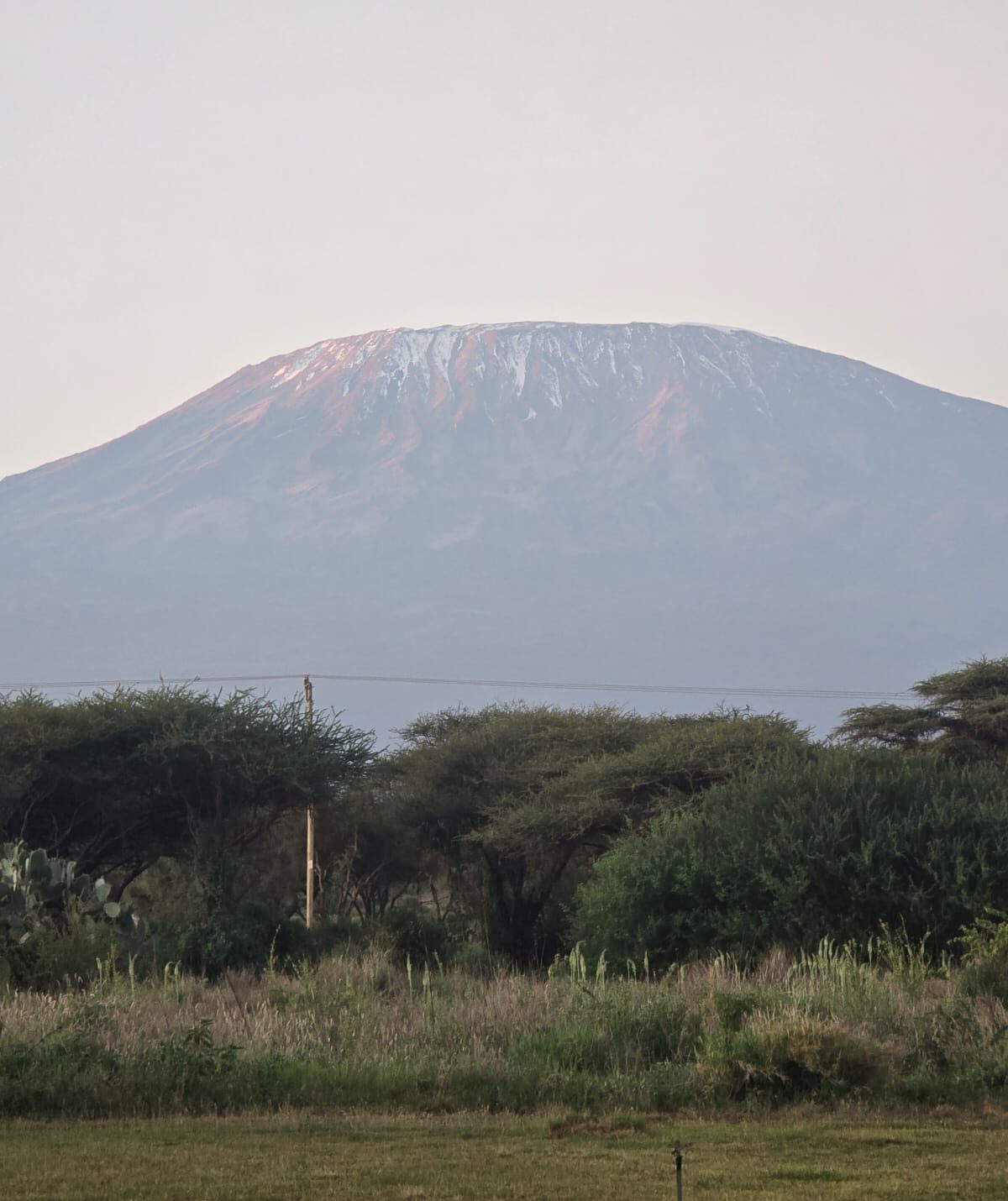
The photograph you have in your head — elephants crossing open ground with Kilimanjaro rising behind them — is a real photograph, taken in Amboseli, and entirely possible to get. It is also missed by most visitors, for one boring reason: by the time they are out looking, the mountain has gone.
The mountain is shy by ten in the morning
Kilimanjaro makes its own weather. On a typical day the summit is clear at first light, clouds build from mid-morning, and by lunchtime the whole mountain has vanished behind a wall of white that will not lift until late afternoon. It can be entirely invisible at noon and perfectly sharp at six.
So the two windows are dawn until about 9am, and from about 5pm until dusk. A game drive that starts at 9.30 because breakfast ran long has already missed the morning one.
Months matter as much as hours
The clearest skies come in the dry months: late June to October, and again in January and February. The long rains from March to May bring dramatic cloud and green foreground, which some photographers prefer, but far fewer clear summits.
January and February have an additional advantage. The air is often cleaner than in the late dry season, when dust hangs over the basin and softens everything at distance.
Where to stand
Amboseli’s classic viewpoints face south-west toward the mountain, which means you are usually shooting into softer light in the morning and with the sun behind you in the evening. The swamps at the centre of the park draw elephants through the day — they feed in the water and move in and out in family groups, which is what gives you animals in the frame rather than an empty plain.
Observation Hill is the one place you can get out of the vehicle and see the whole basin, which is worth doing once for the orientation even if the photograph comes from ground level.
Practical things that decide whether you get the shot
- Sleep inside the park, or very close to a gate. A camp an hour away means leaving in the dark to be in position at sunrise, and most people will not do it twice.
- Two nights, not one. Mountains are weather. One dawn is one roll of the dice; two dawns roughly doubles your odds.
- Tell your guide it matters. A guide who knows you want the mountain will position the vehicle for it rather than for the closest animal.
- Bring something longer than a phone. The elephants that work as foreground are often further away than they look, and phone wide-angles shrink Kilimanjaro to a bump.
- Keep shooting at dusk. The last twenty minutes, with the snow going pink, is the frame most people have packed up before.
Amboseli’s other draw
Even with the mountain hidden, Amboseli holds some of the largest-tusked elephants left in Africa, in a population that has been studied continuously for over fifty years. The families here are habituated and calm, and you will often watch them at very close range in the open.
Entry is about US$90 per non-resident adult per 24 hours, so a two-night stay that catches two dawns is good value for what it gives you.
Itineraries that build the mountain in
- 7-Day Masai Mara, Kigio & Amboseli — two nights in Amboseli at the end, after the Mara.
- 7-Day Mara, Naivasha & Amboseli — the same mountain finish with Lake Naivasha in the middle.
- 9-Day Grand Kenya Safari — for the widest spread of country in one trip.
Tell us the mountain matters when you ask for a quote and we will build the mornings around it.