September 18, 2026
Mara or Samburu: which one for a first safari?
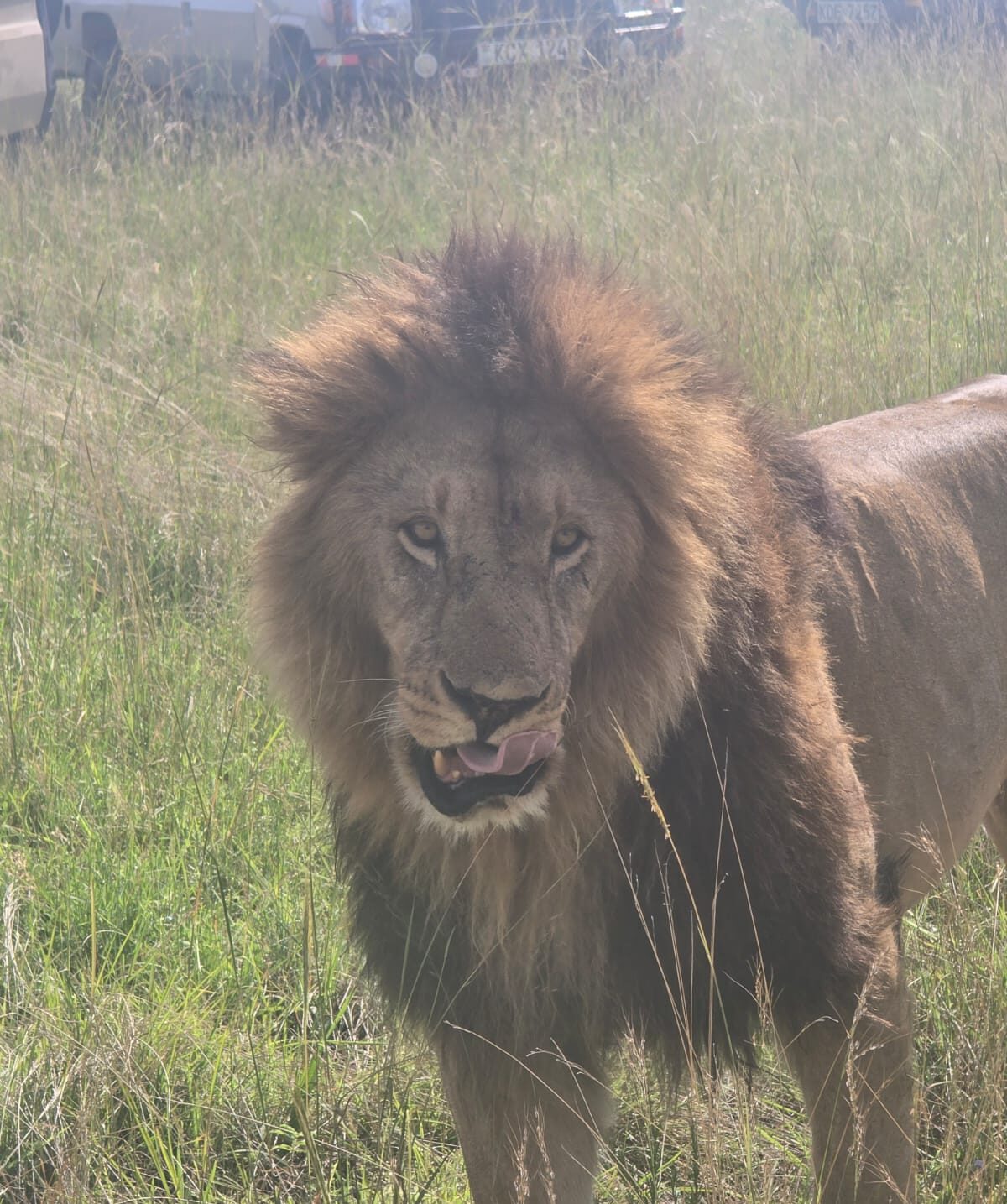
Most first-time visitors assume the Masai Mara is the safari and everything else is a side trip. It is a fair assumption, and it is not quite right. If you have three or four days, the choice between the Mara and Samburu changes what you see, what you pay and how many other vehicles are at the sighting with you.
The short version
- Go to the Mara for big cats in open country, for sheer density of animals, and for the migration between late July and October.
- Go to Samburu for species that exist nowhere else in Kenya, for dramatic dry country, for lower fees and for far fewer vehicles.
- Do both if you have a week, because they are genuinely different places rather than two versions of the same day.
What the Mara gives you
Rolling grassland with almost no cover, which is exactly why it is the best big-cat viewing in East Africa: a lion pride or a hunting cheetah is visible at distance rather than hidden in scrub. Densities are high all year, and from late July to October the migrating herds add several hundred thousand wildebeest and zebra to the resident population.
The cost of that is company. In August a good sighting can gather twenty vehicles, and peak-season fees are US$200 per adult per day. It is still worth it. Just do not arrive expecting solitude.
What Samburu gives you
Red earth, doum palms and the Ewaso Ng’iro river cutting through country that is genuinely arid. Because water is scarce, wildlife concentrates along the river, so good viewing is about position rather than distance covered.
The real argument for Samburu is the Special Five, none of which live in southern Kenya:
- Reticulated giraffe — the sharply-marked one, quite unlike the Mara’s Masai giraffe.
- Grevy’s zebra — narrow stripes, round ears, and endangered.
- Beisa oryx — straight-horned and built for heat.
- Gerenuk — the antelope that stands on its hind legs to feed.
- Somali ostrich — blue-legged, and unmistakable once you have seen one.
Samburu also has excellent leopard, elephant along the river, and a fraction of the Mara’s traffic.
Cost, honestly
Samburu is the cheaper trip. Reserve fees are lower than the Mara’s peak rate, the drive from Nairobi is shorter than the road to the Mara, and camps in the north tend to cost less than their Mara equivalents. Our 3-Day Samburu runs at US$600 against US$800-plus for comparable time in peak-season Mara country.
So which one?
First safari, travelling July to October, want the classic: the Mara. You came for lions and wildebeest; go and see them.
First safari, travelling any other month: consider Samburu seriously. The Mara without the migration is very good; Samburu is distinctive all year.
Second safari: Samburu, or a conservancy like Lewa, where you can walk.
A week or more: both. Our 8-Day Samburu, Ol Pejeta, Nakuru and Masai Mara runs north to south and takes in the Special Five, both rhino species, Nakuru’s flamingos and three nights in the Mara.
Tell us which way you are leaning and we will tell you what your dates actually support.